


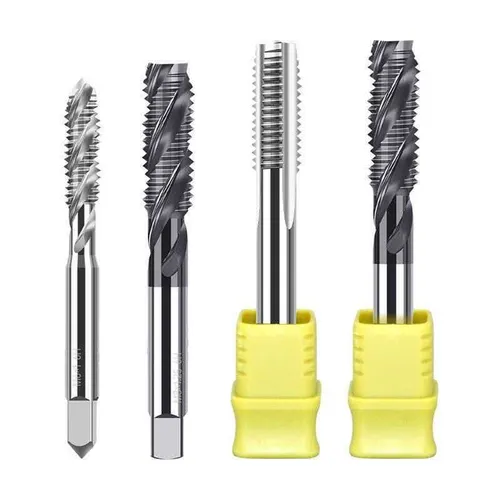
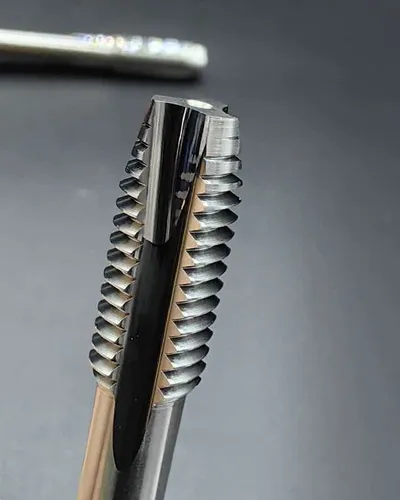

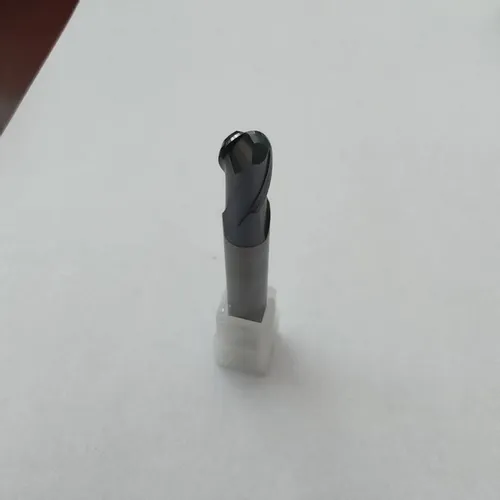
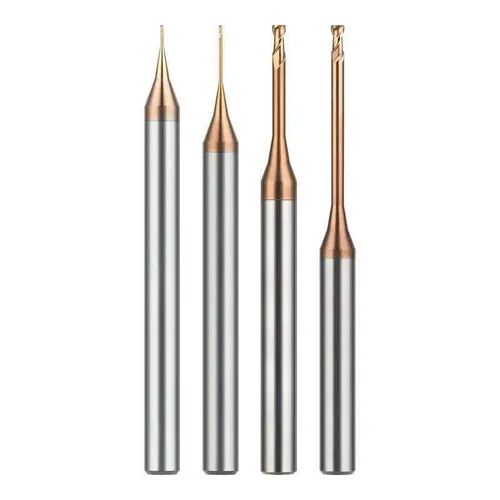



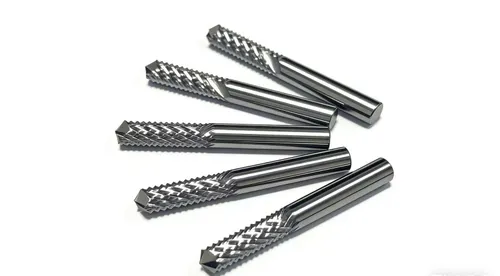
Five steps to selecting a cutting tool for your operation
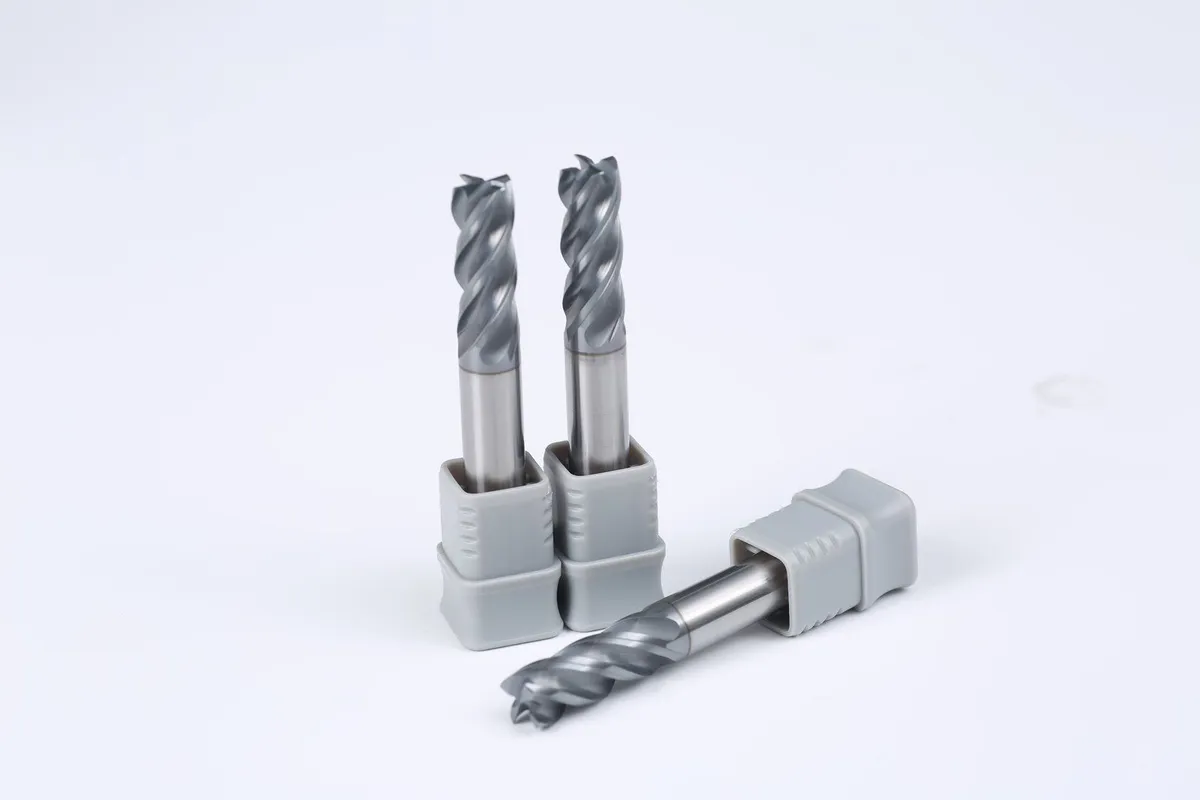
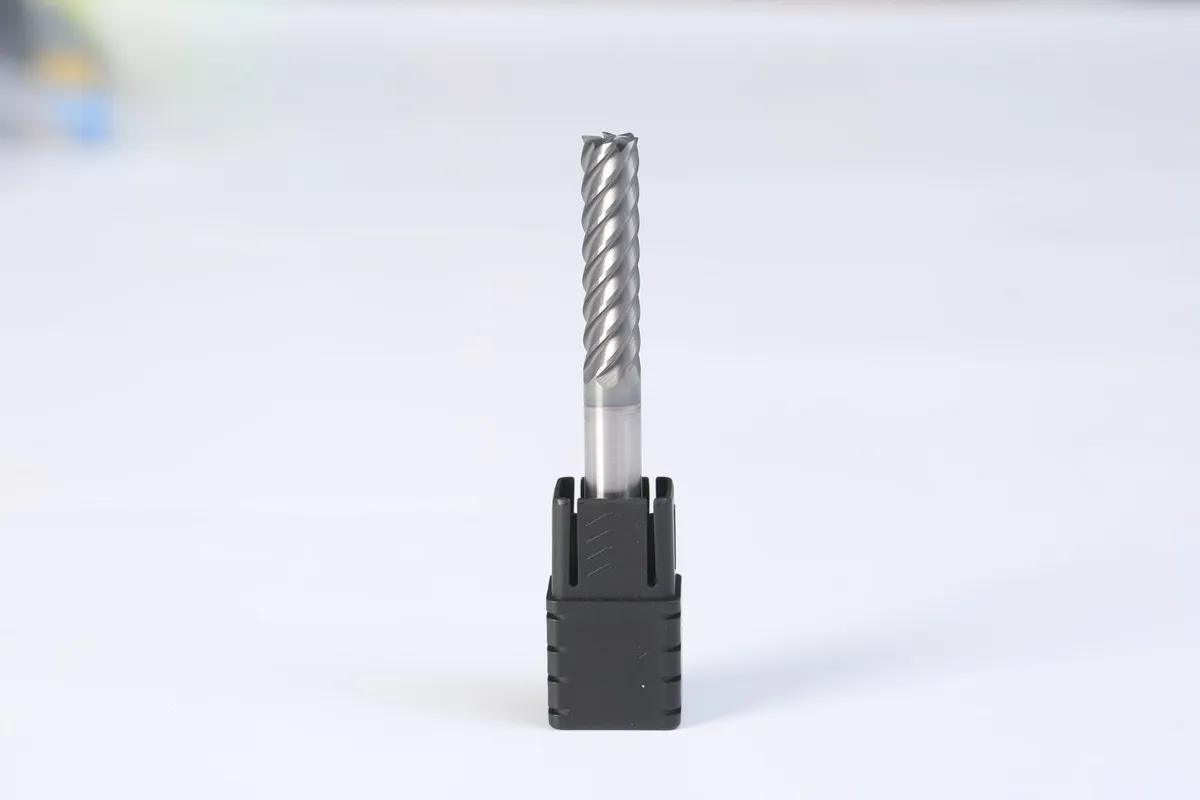
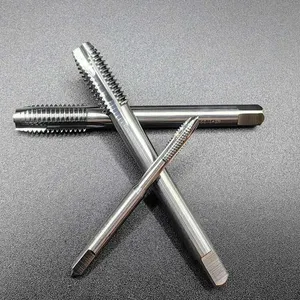
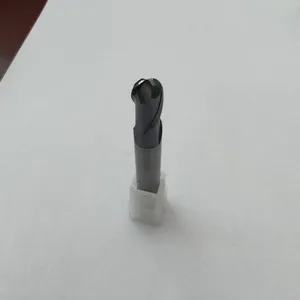
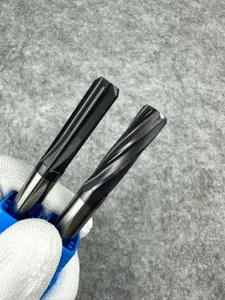
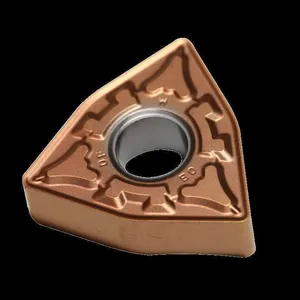
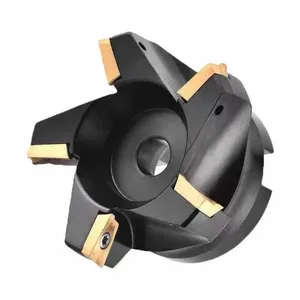
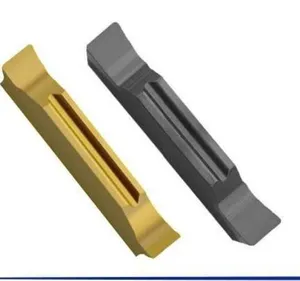
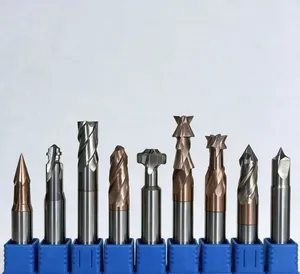
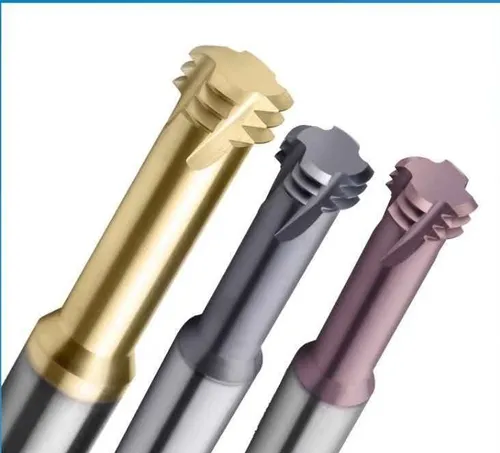
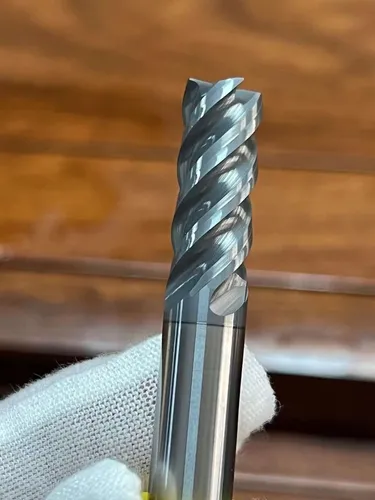
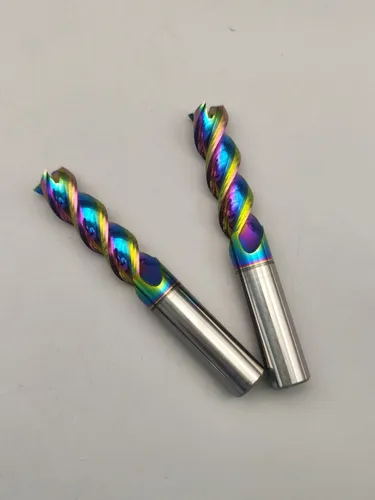
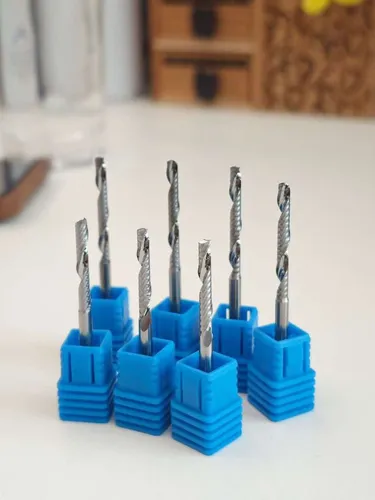
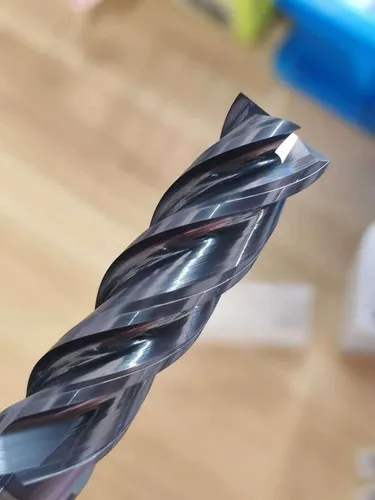
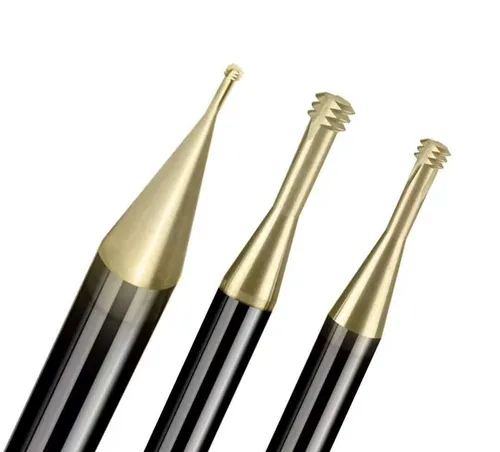
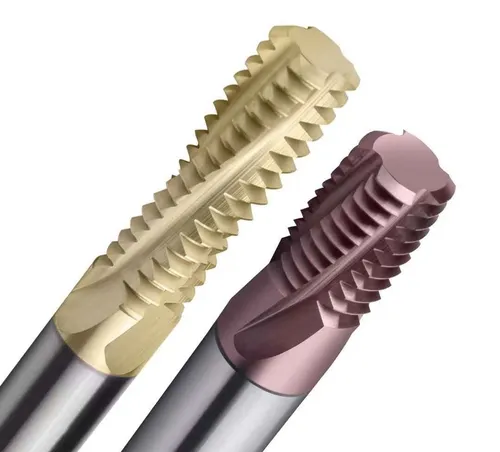
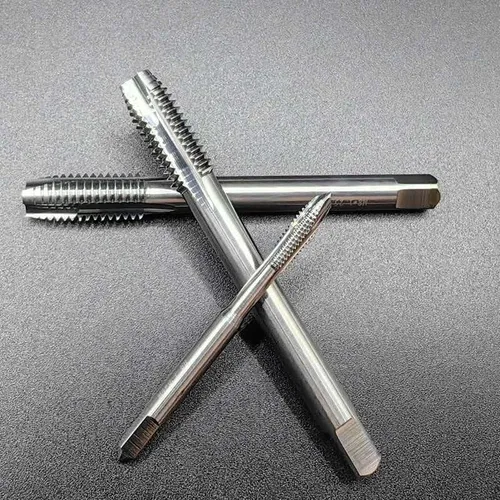
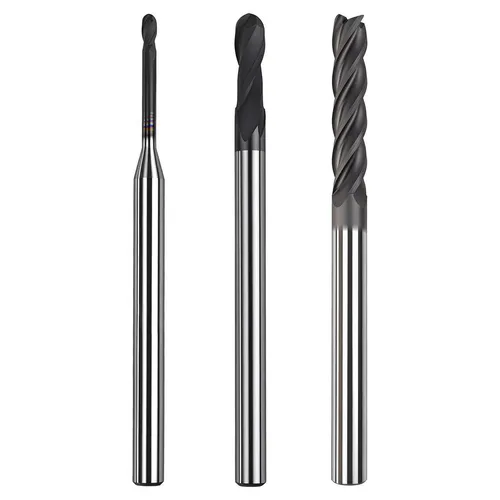
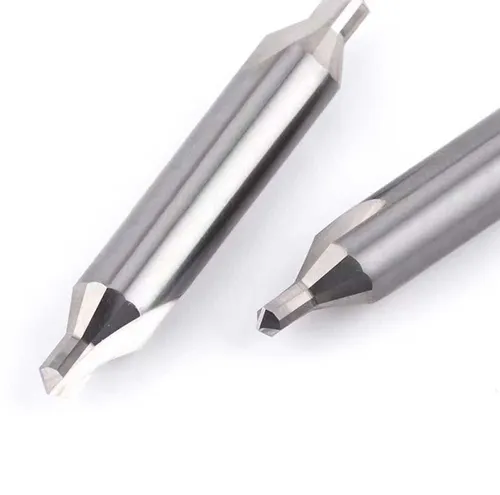
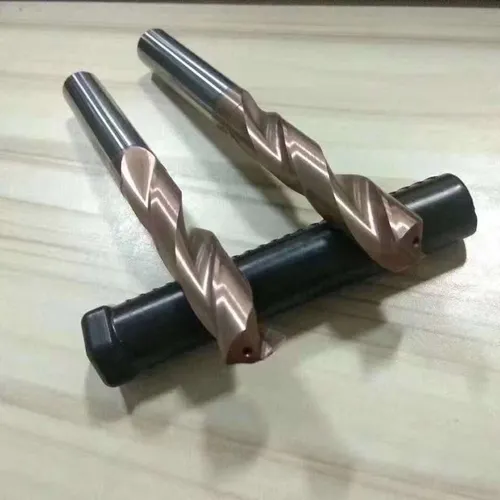
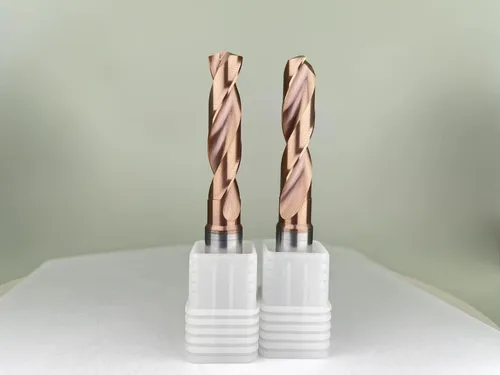
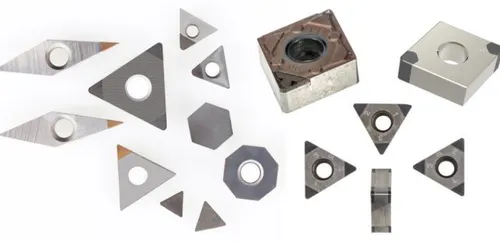
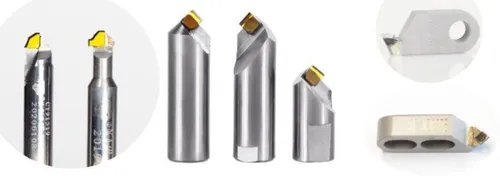
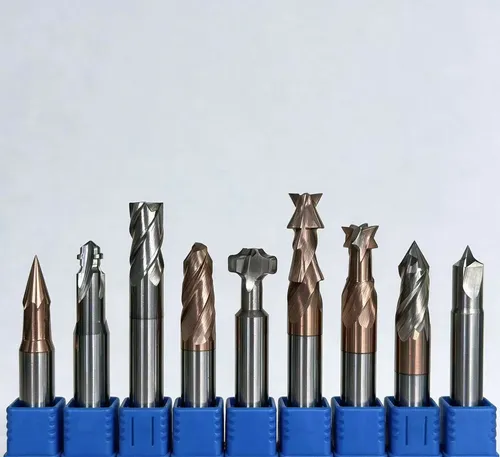
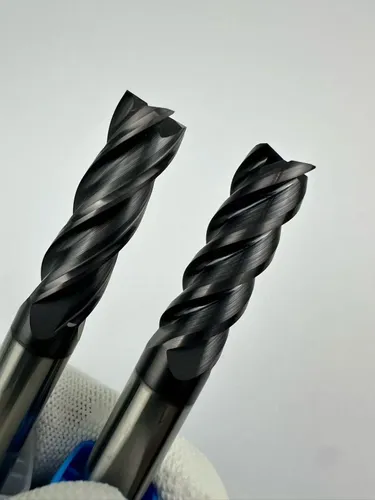
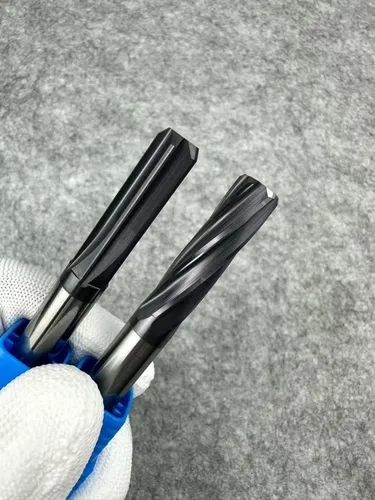
Selection follows the workpiece first, the operation second and the machine third. Work through material, flute count, helix and reach, tip geometry and holder before choosing a SKU.
Compare specifications and SKUs for your machining requirements, view prices and quantity breaks, or request a quotation for unpriced products. View all →
Selection follows the workpiece first, the operation second and the machine third. Work through material, flute count, helix and reach, tip geometry and holder before choosing a SKU.
Use the workpiece material group and its measured hardness to narrow the tool family, coating and starting cutting data. Always confirm the actual hardness rather than relying on a nominal grade.
Calculate spindle speed from surface speed and diameter, then derive feed from feed per tooth and flute count. Treat every figure as a starting point and adjust against the actual chip, sound and surface.
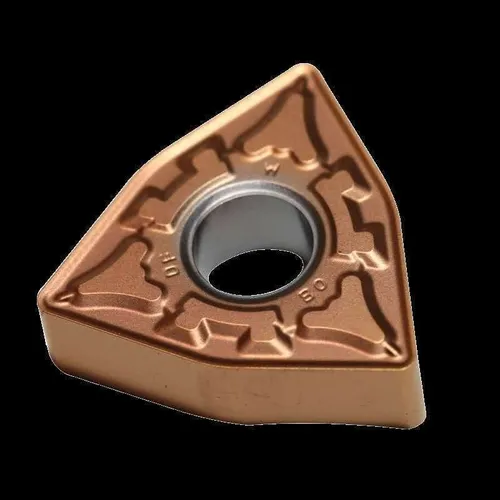
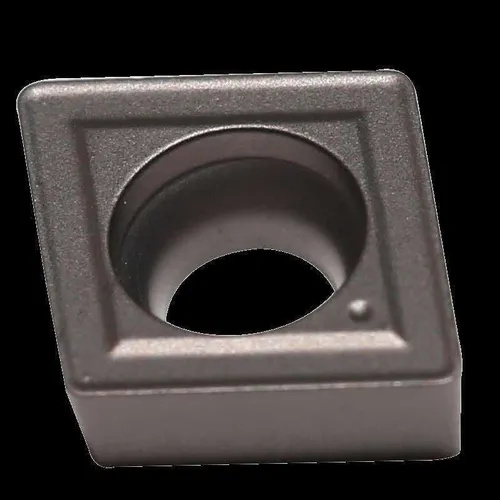
Substrate controls the tool body and coating controls the interface. Match the coating to the workpiece family and match the substrate grain size to the operation, not the other way round.
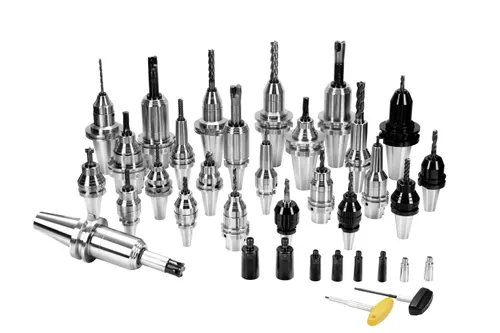
The catalogue is organised by machining task, so a workpiece and operation can be matched to a category before comparing individual SKUs.
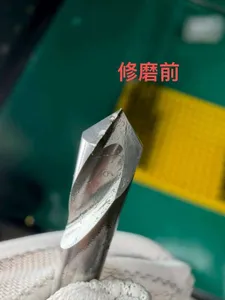
Custom tools are quoted from a dimensioned drawing or a sample, and regrinding is quoted from the tool's condition. Sending the right information first avoids a quotation that cannot be manufactured.
Short answers to the questions that most often block a purchase: which tool, which holder, what to send for a quotation and what happens after delivery.
Understand how a quotation is prepared, what typical lead times apply to stock, standard and custom items, and how technical support is arranged before and after an order.
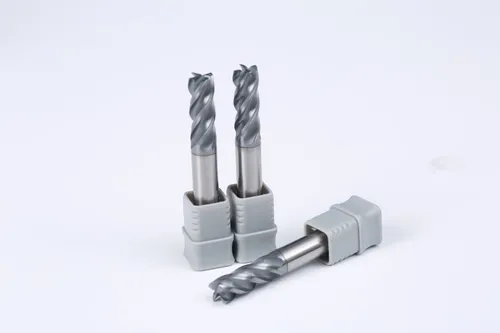
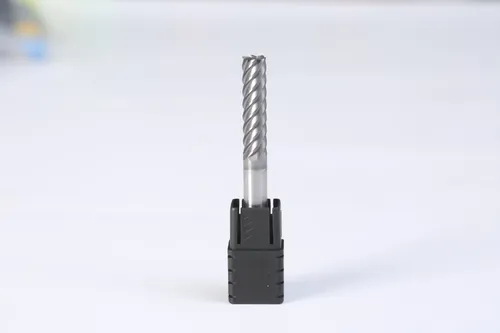
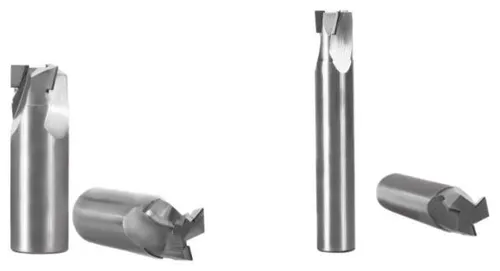
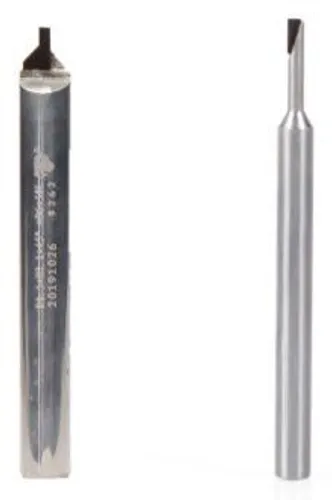
Match the workpiece, cutting profile and usable reach first. Then compare cutting diameter, shank diameter, flute length and overall length for the exact SKU.
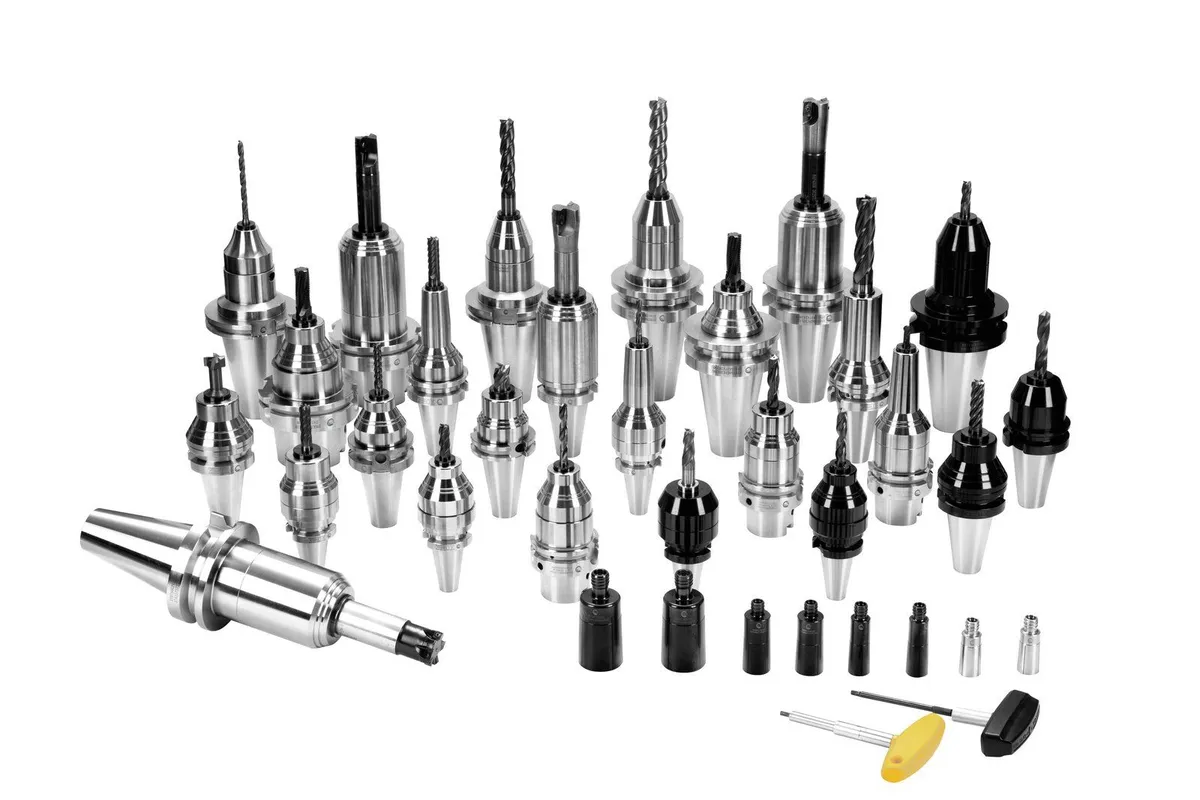
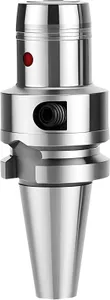
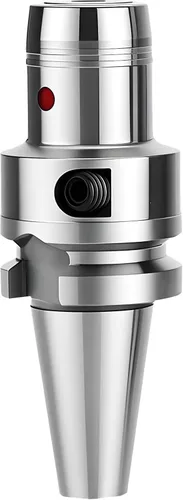
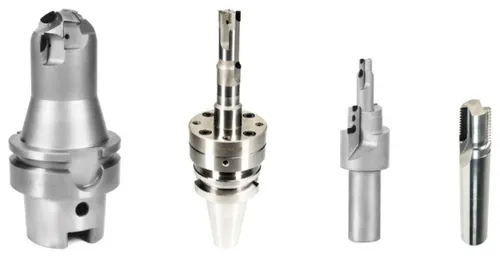
A holder must match both the machine spindle and the cutting tool. Record the interface, size, bore, projection and required accessories before comparing hydraulic, shrink fit or collet systems.
A useful request for quotation identifies the exact tool, workpiece, quantity and destination. A missing catalogue price means a quotation is needed; it does not mean the tool is free.
Compare prices for the same SKU, currency and quantity. The storefront converts a CNY base price for display, while checkout confirms the payable currency and final order total.