
Five steps to selecting a cutting tool for your operation
Selection follows the workpiece first, the operation second and the machine third. Work through material, flute count, helix and reach, tip geometry and holder before choosing a SKU.
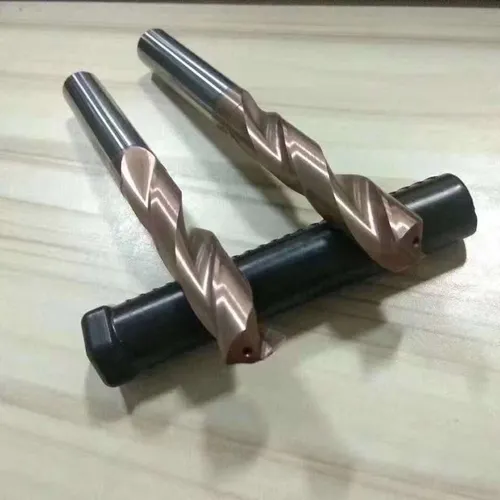
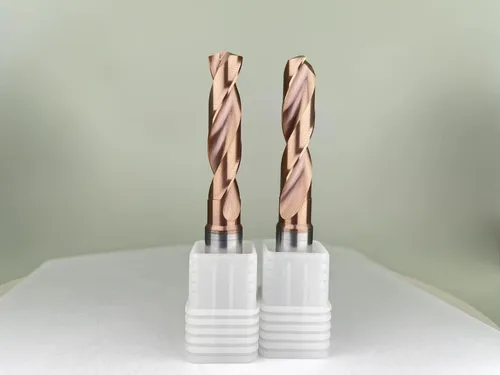
Compare carbide drills by hole diameter, usable drilling depth, shank and coolant arrangement. Provide the workpiece material, hole tolerance and machine details for a specification check or quotation.
Selection follows the workpiece first, the operation second and the machine third. Work through material, flute count, helix and reach, tip geometry and holder before choosing a SKU.
Use the workpiece material group and its measured hardness to narrow the tool family, coating and starting cutting data. Always confirm the actual hardness rather than relying on a nominal grade.
Calculate spindle speed from surface speed and diameter, then derive feed from feed per tooth and flute count. Treat every figure as a starting point and adjust against the actual chip, sound and surface.
Substrate controls the tool body and coating controls the interface. Match the coating to the workpiece family and match the substrate grain size to the operation, not the other way round.
The catalogue is organised by machining task, so a workpiece and operation can be matched to a category before comparing individual SKUs.
A useful request for quotation identifies the exact tool, workpiece, quantity and destination. A missing catalogue price means a quotation is needed; it does not mean the tool is free.